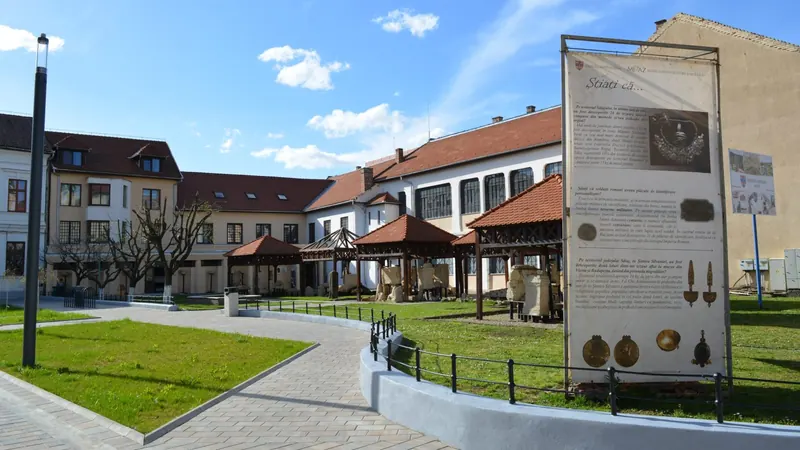
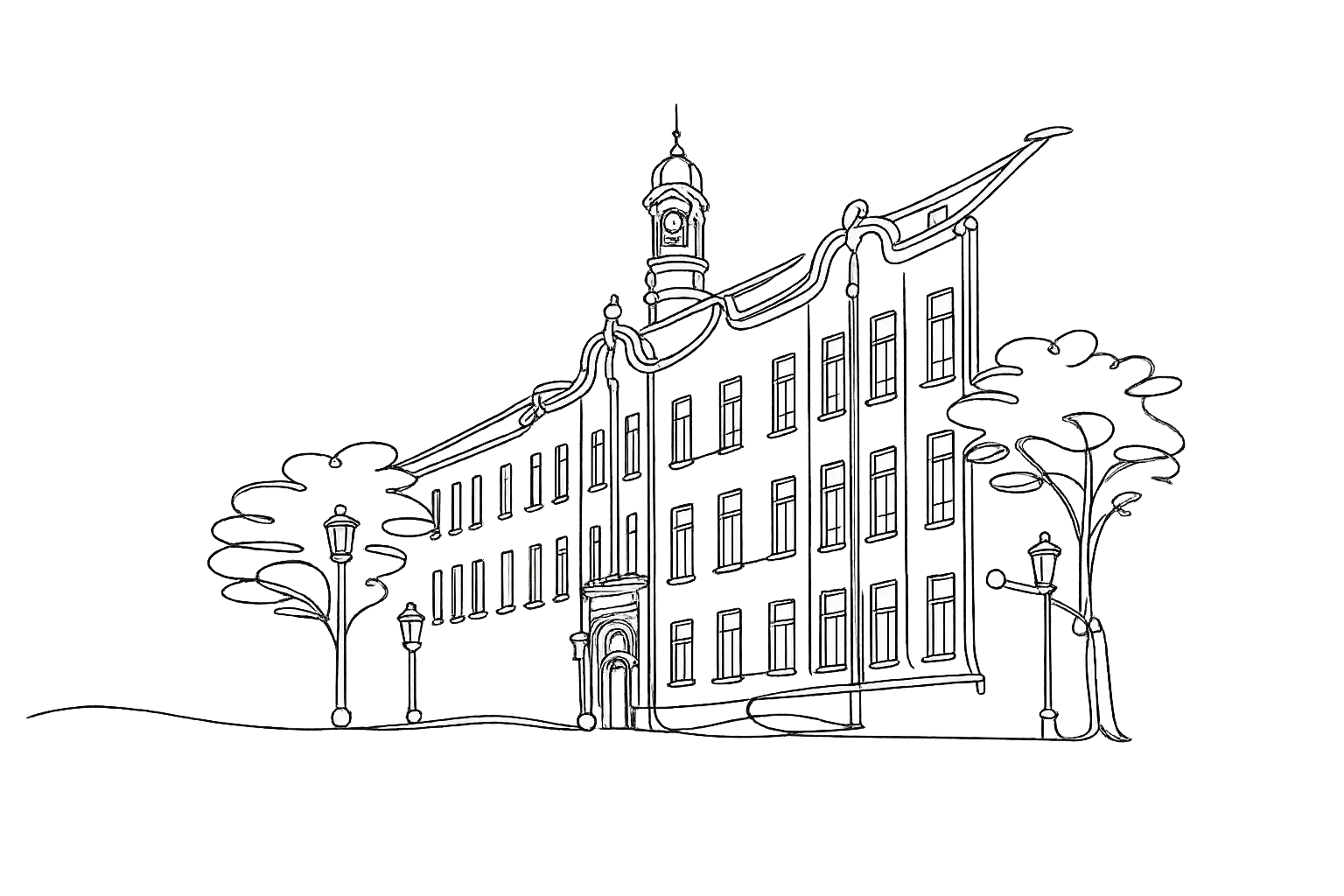
Neolithic settlements dating back 6,500 years. Dacian coins found in the central area indicate active trade with nearby Porolissum.
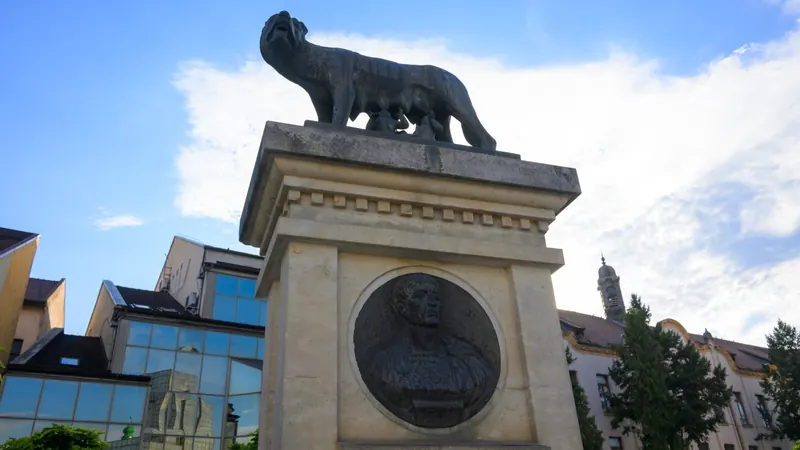
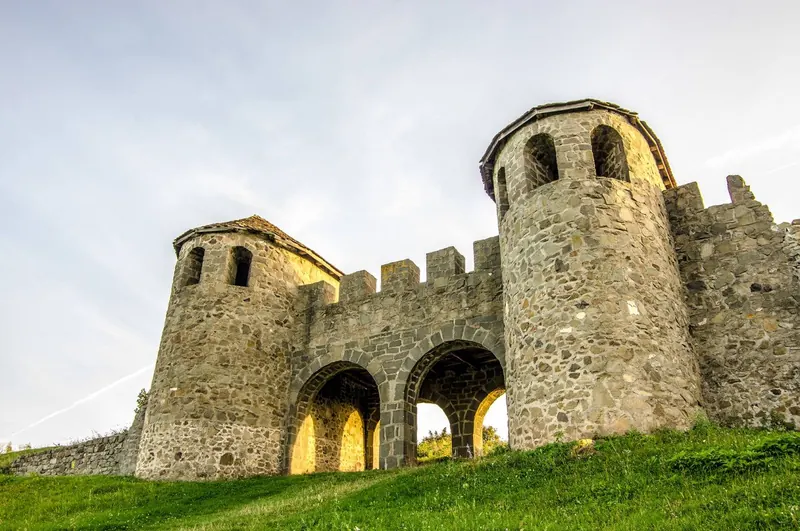
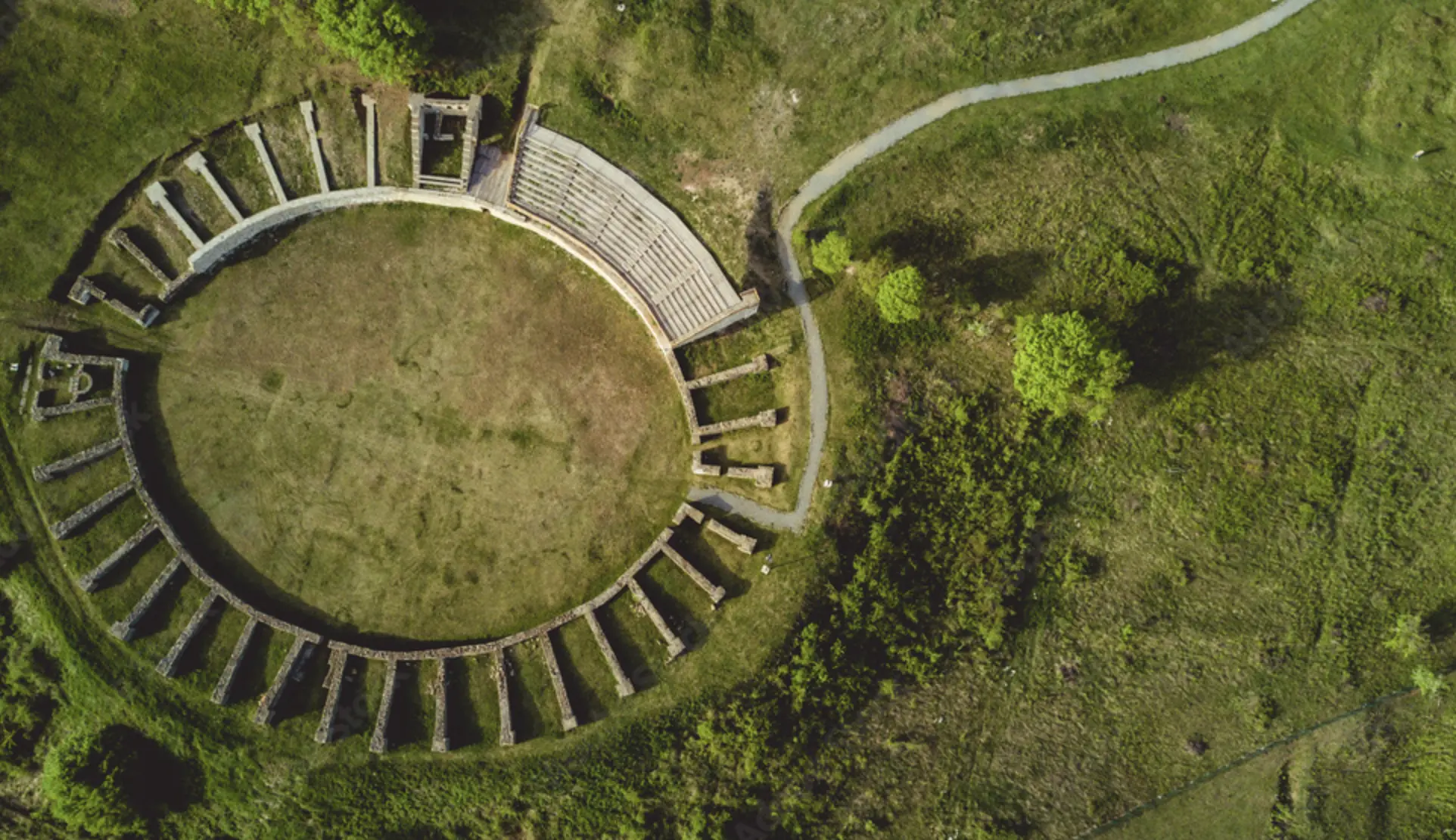
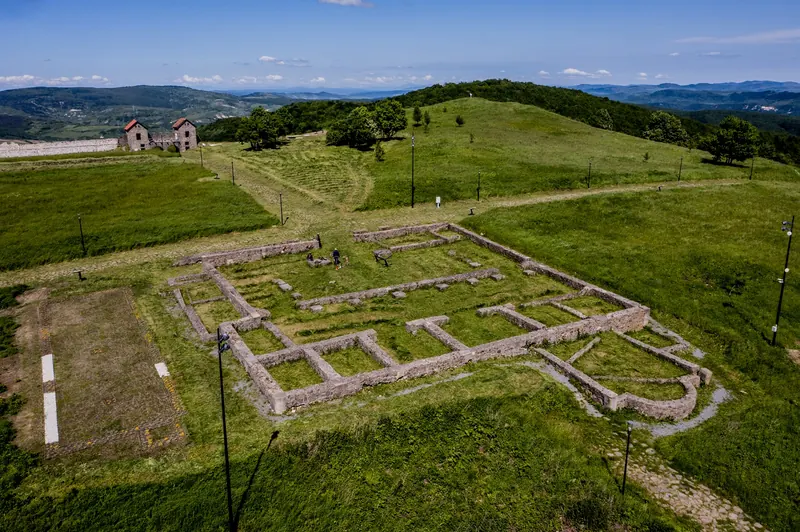
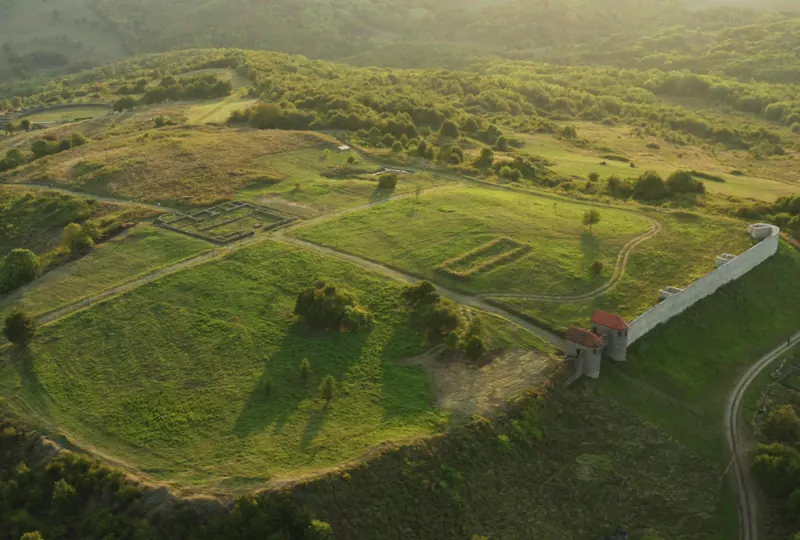
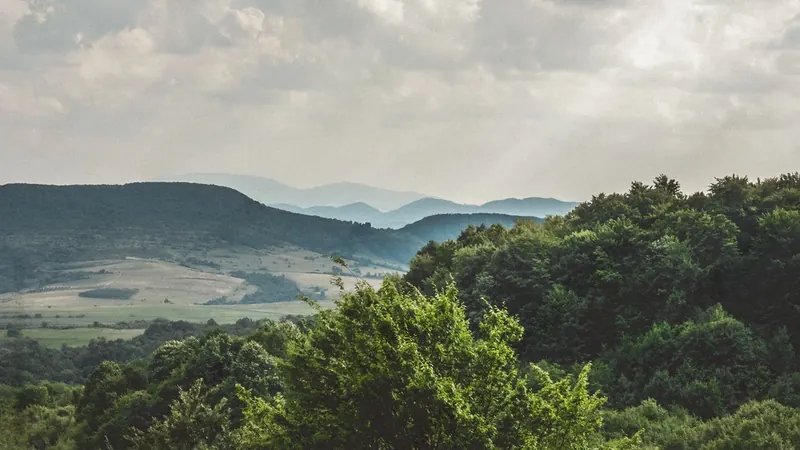
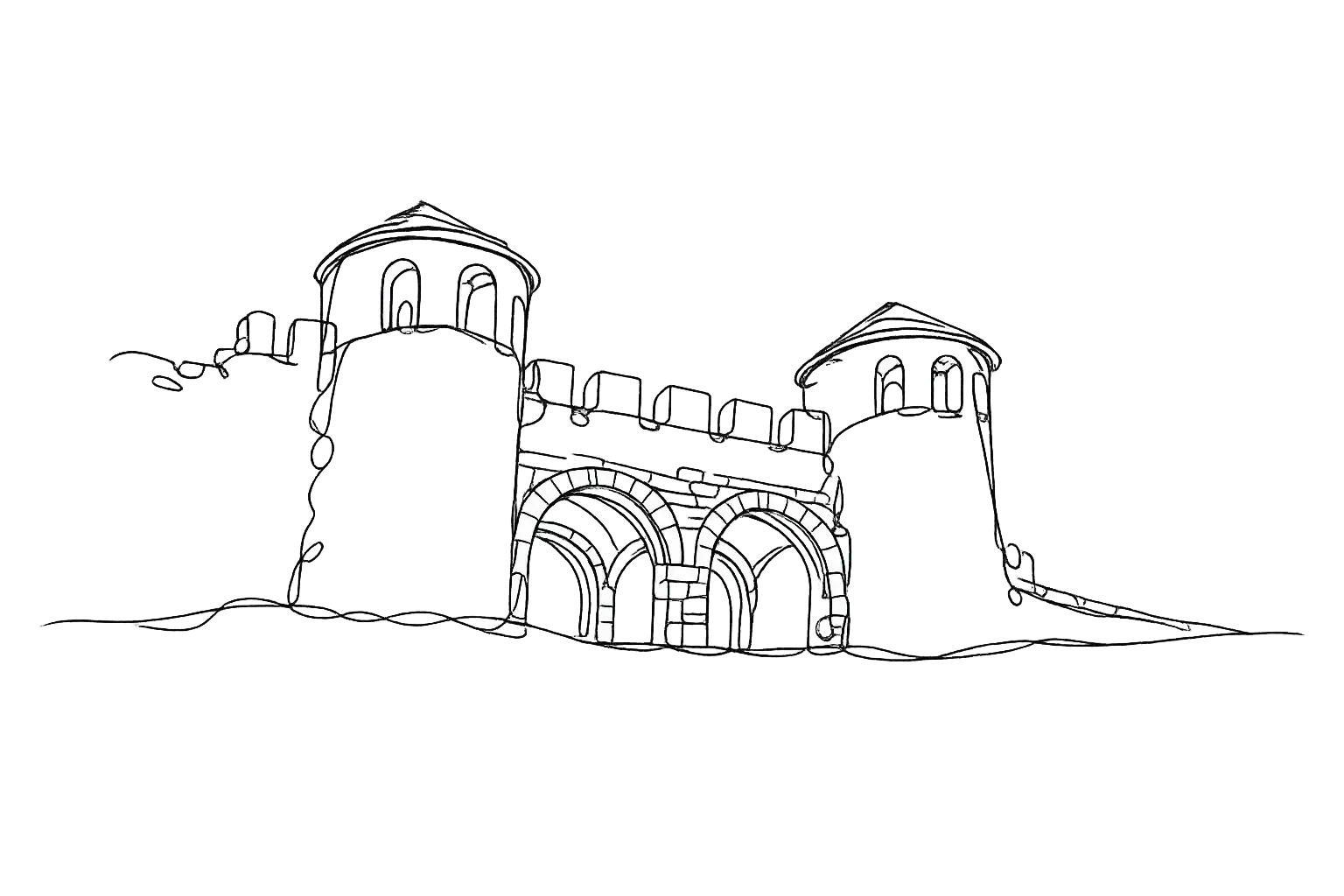
After Emperor Trajan conquered Dacia, the Meses Mountains became the empire's northwestern frontier. 21 Roman watchtowers lined the Meses ridge, and a Dacian-Roman salt mine was active in the area.
First written record of the city as "villa Ziloc." The name may derive from the Latin "silva" (forest), giving the region its name: Tara Silvaniei — the Land of Forests.
The town was destroyed during the Tatar (Mongol) invasion that swept through Transylvania.
King Matthias Corvinus elevated Zalau to a market town, granting it commercial privileges and independence from county control.
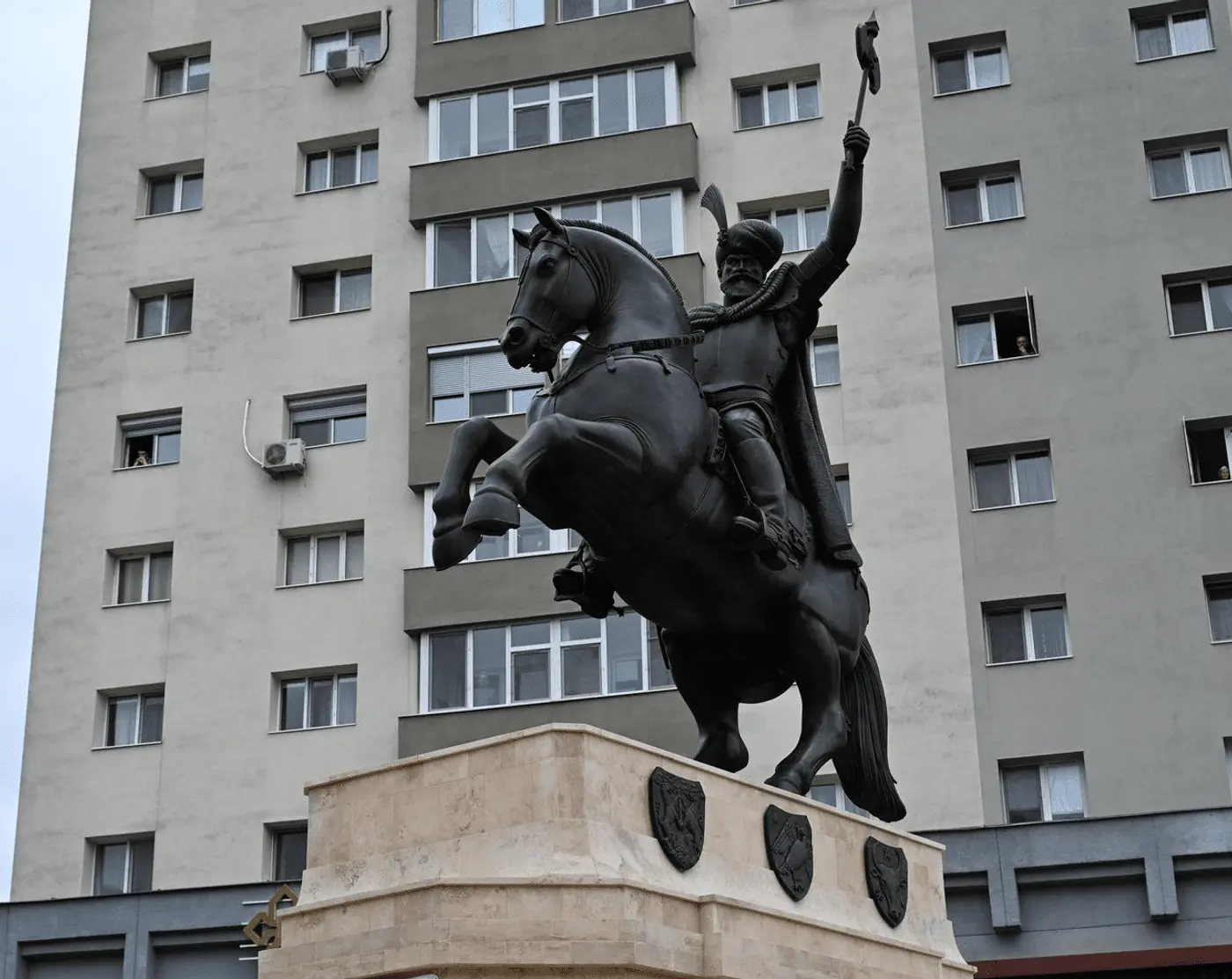
Michael the Brave's victory at the nearby Battle of Guruslau granted Zalau full administrative, legislative, fiscal, and military autonomy.
The Reformed College was founded — one of the oldest schools in Transylvania, now operating as Colegiul National Silvania.
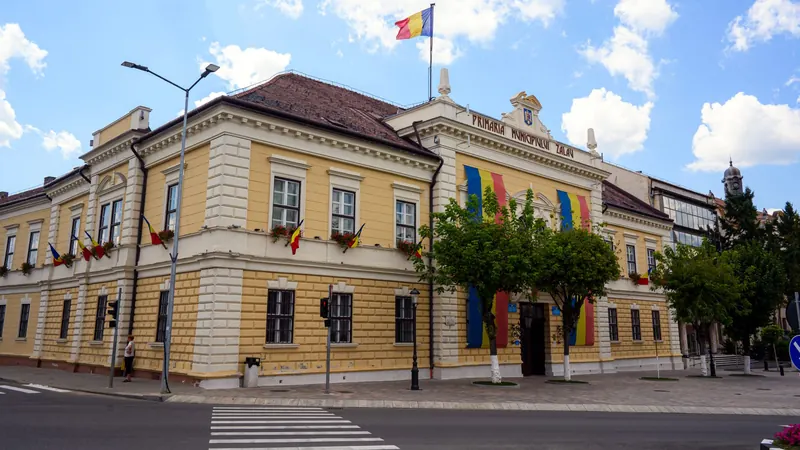
Administrative reorganization formed Salaj County, with Zalau as the county seat — a role it holds to this day.
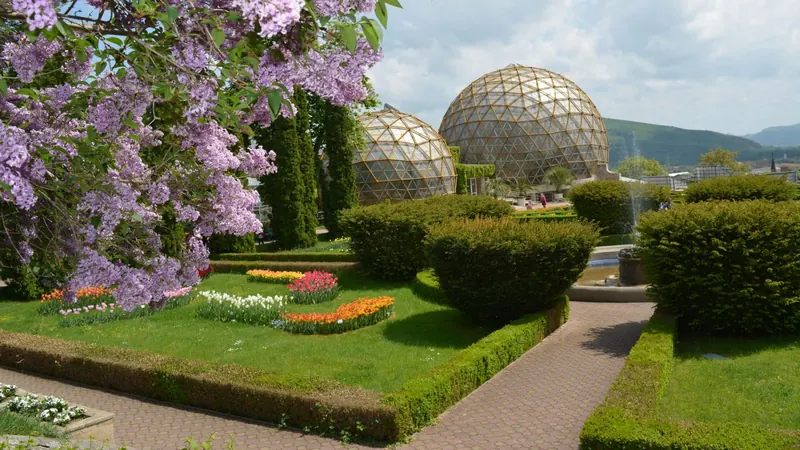
A city of ~52,000 people at 275m elevation with a rich multicultural history. The city hosts a Roman Festival celebrating its Porolissum heritage.