Discover the Region

Explore Zalau
& Salaj County

Ancient Roman ruins, dragon-shaped rock formations, and the unspoiled beauty of northwestern Transylvania

The Host City

Discover Zalau

See on map

Zalau, the seat of Salaj County, is a city rich in multicultural heritage — where Roman, Hungarian, and Romanian history intertwine. These landmarks tell the story of a city shaped by two millennia of European history.

~4500 BC

Neolithic settlements dating back 6,500 years. Dacian coins found in the central area indicate active trade with nearby Porolissum.

106 AD

After Emperor Trajan conquered Dacia, the Meses Mountains became the empire's northwestern frontier. 21 Roman watchtowers lined the Meses ridge, and a Dacian-Roman salt mine was active in the area.

1220

First written record of the city as "villa Ziloc." The name may derive from the Latin "silva" (forest), giving the region its name: Tara Silvaniei — the Land of Forests.

1241

The town was destroyed during the Tatar (Mongol) invasion that swept through Transylvania.

1473

King Matthias Corvinus elevated Zalau to a market town, granting it commercial privileges and independence from county control.

1601

Michael the Brave's victory at the nearby Battle of Guruslau granted Zalau full administrative, legislative, fiscal, and military autonomy.

1646

The Reformed College was founded — one of the oldest schools in Transylvania, now operating as Colegiul National Silvania.

1876

Administrative reorganization formed Salaj County, with Zalau as the county seat — a role it holds to this day.

Today

A city of ~52,000 people at 275m elevation with a rich multicultural history. The city hosts a Roman Festival celebrating its Porolissum heritage.
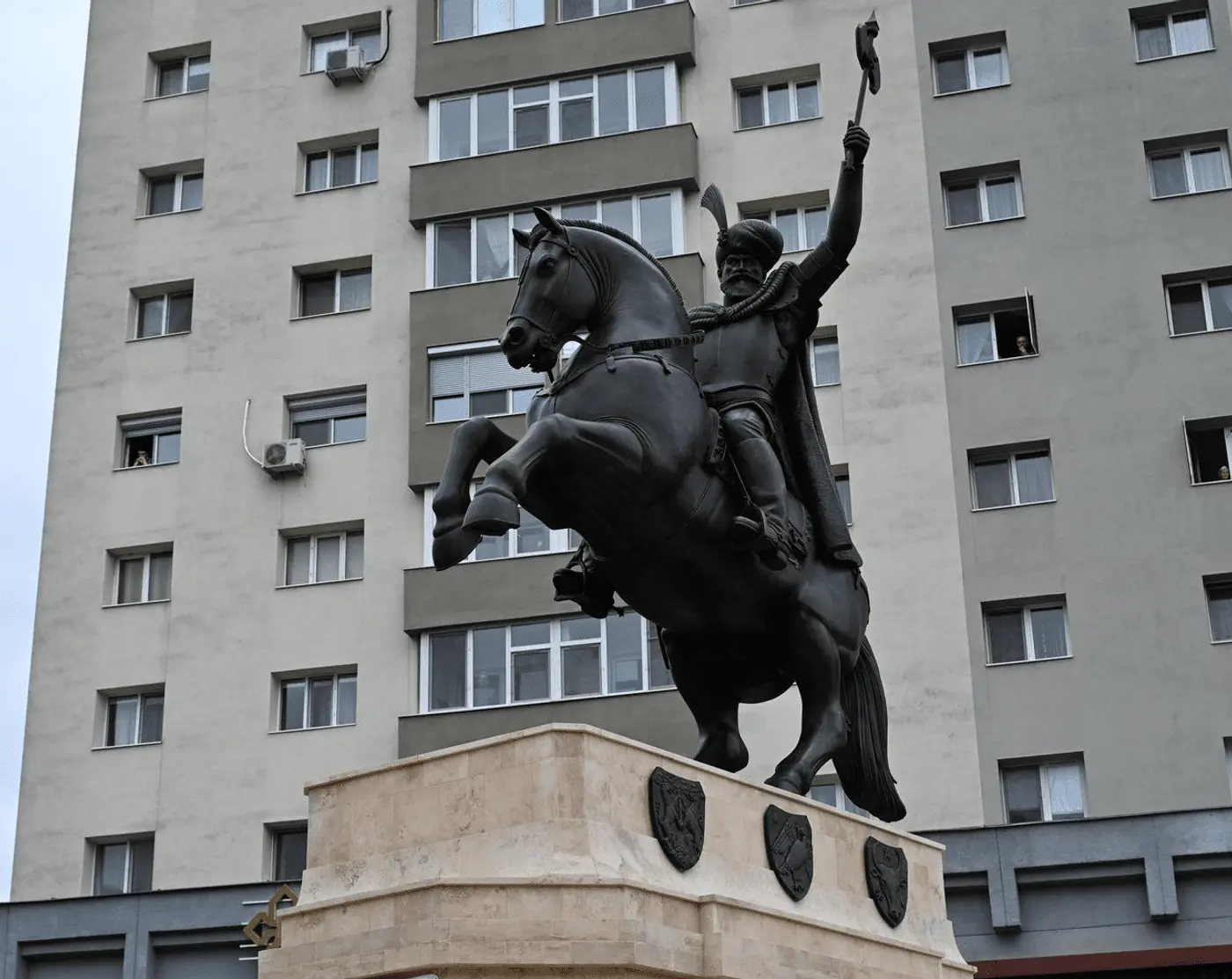
Statue of Michael the Brave

Statue of Michael the Brave

Str. Simion Barnutiu nr. 2

A 10-meter equestrian statue honoring the first ruler to unite Wallachia, Transylvania, and Moldavia. His army camped near Zalau before the decisive Battle of Guruslau (1601), after which the city gained autonomy.

See on map
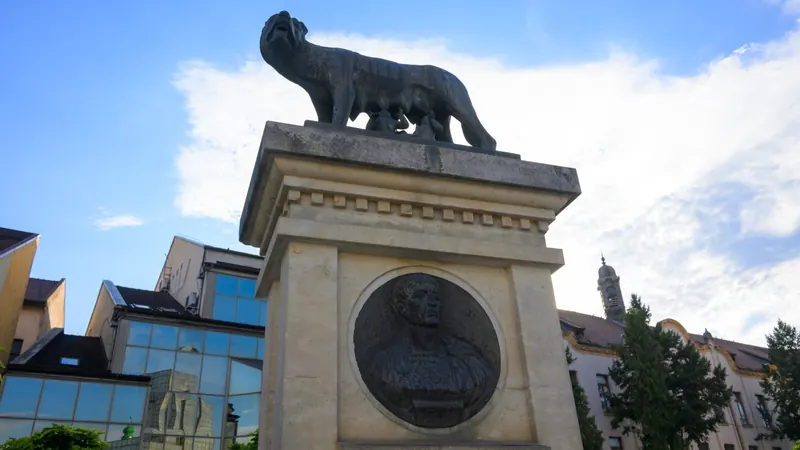
The She-Wolf

The She-Wolf

Piata Iuliu Maniu nr. 3

A replica of Rome's Capitoline Wolf, gifted to Zalau in 1993. The inscription reads "Alla Citta Di Zalau Roma Madre" — a symbol of the city's Roman heritage and the ancient frontier that once crossed this territory.

See on map
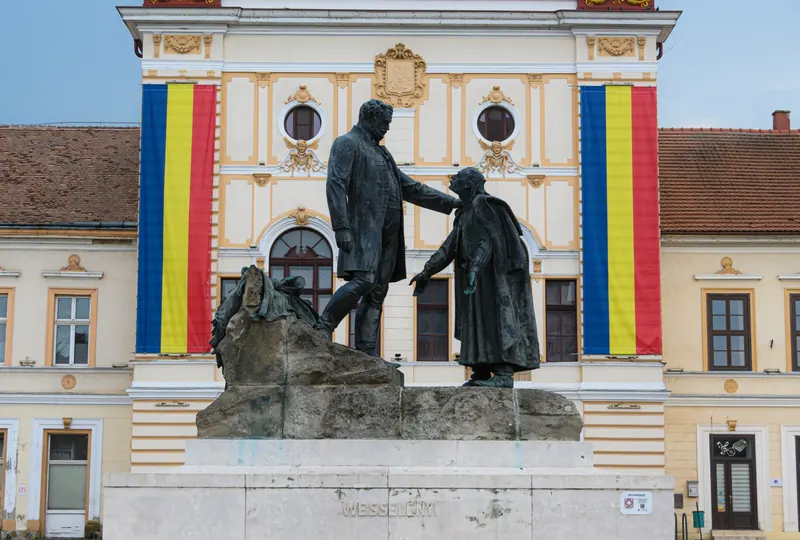
Wesselenyi Statue Group

Wesselenyi Statue Group

Piata Iuliu Maniu nr. 4-6

Bronze statues of Baron Wesselenyi and freed peasant Pop Samson, depicting the abolition of serfdom during the 1848 Revolution. Sculpted by Fadrusz Janos, inaugurated in 1902.

See on map
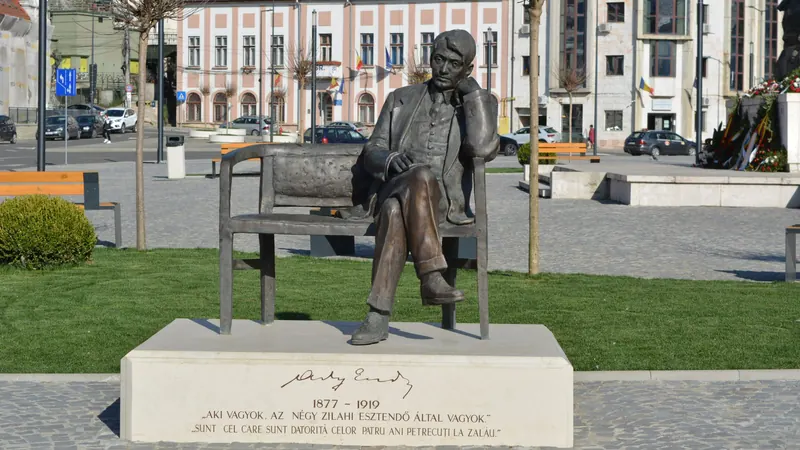
Statue of Ady Endre

Statue of Ady Endre

Piata Iuliu Maniu nr. 4-6

A bench-style statue of Hungary's most prominent modern poet, who spent four formative years in Zalau. His famous words: "I am who I am because of the four years spent in Zalau."

See on map
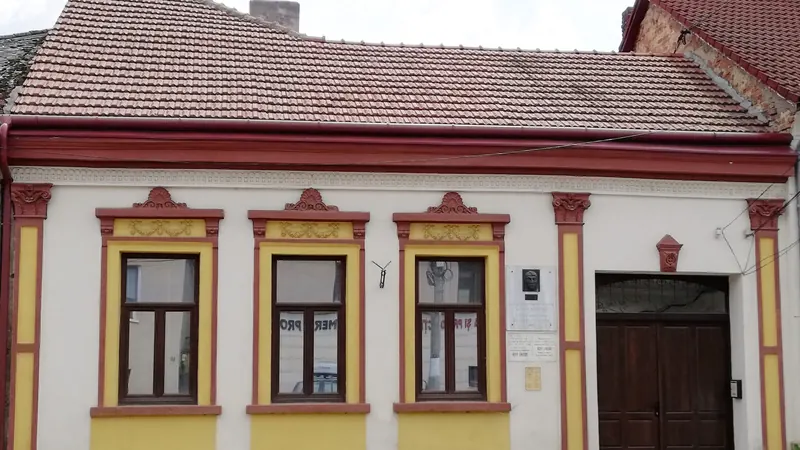
Ady Endre Memorial House

Ady Endre Memorial House

Str. 22 Decembrie 1989, nr. 45

The neobaroque house where Hungary's greatest modern poet lived while attending school in Zalau (1892-1896). He composed his earliest poems here. Open as a museum since 2015.

See on map
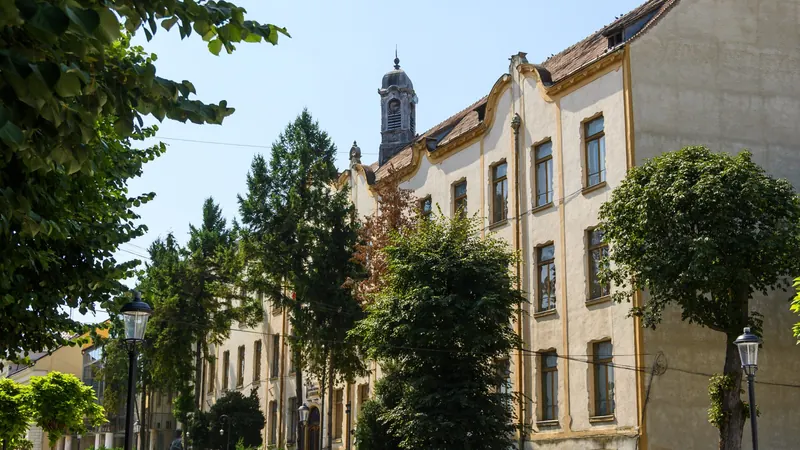
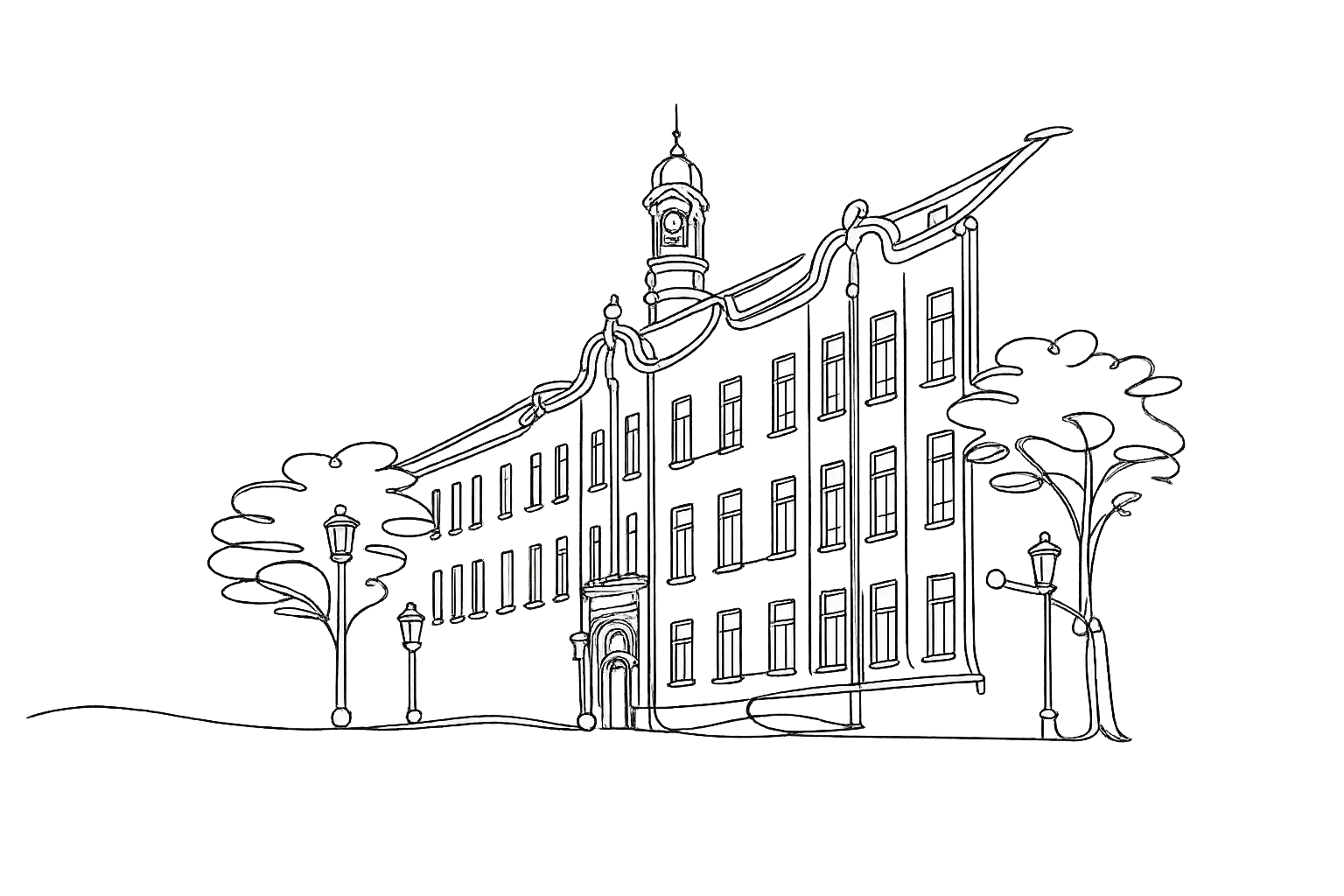
Silvania National College

Silvania National College

Strada Unirii Nr. 1

The oldest high school in Salaj County, with roots tracing to 1646. The Secession-style main building was designed by architect Odon Lechner. Alumni include poet Ady Endre and PM Iuliu Maniu.

See on map
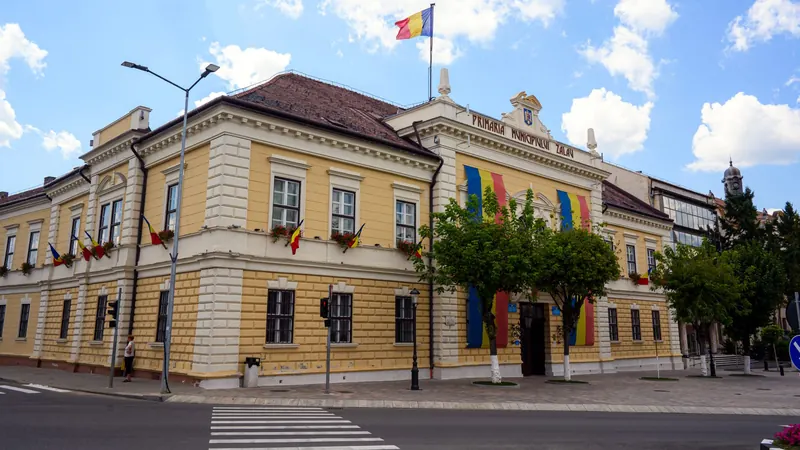
Zalau City Hall

Zalau City Hall

Piata Iuliu Maniu nr. 3

A neoclassical palace built in 1836-1838. The spectacular interiors include the Marriage Hall with Venetian mirrors and the "Avram Iancu" Hall housing a 1,450 kg chandelier over 100 years old.

See on map
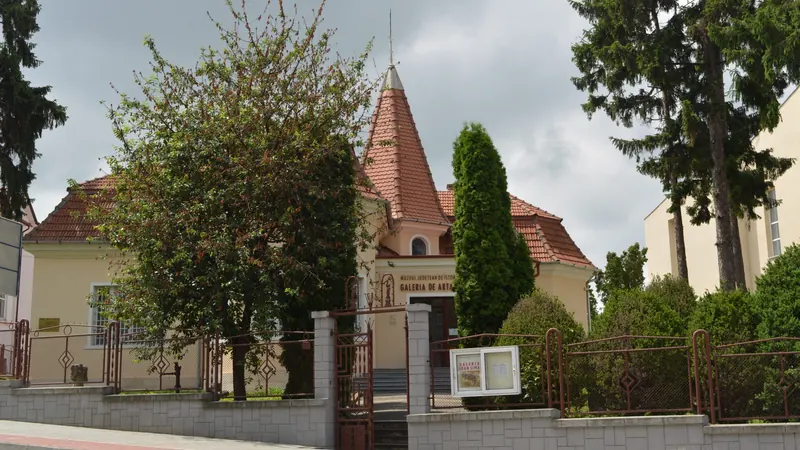
Ioan Sima Art Museum

Ioan Sima Art Museum

Strada Gheorghe Doja 6

The "illuminated garden of Zalau" — 15 exhibition halls with a permanent art collection and an impressive butterfly collection. Named after local artist Ioan Sima, operating since 1981.

See on map
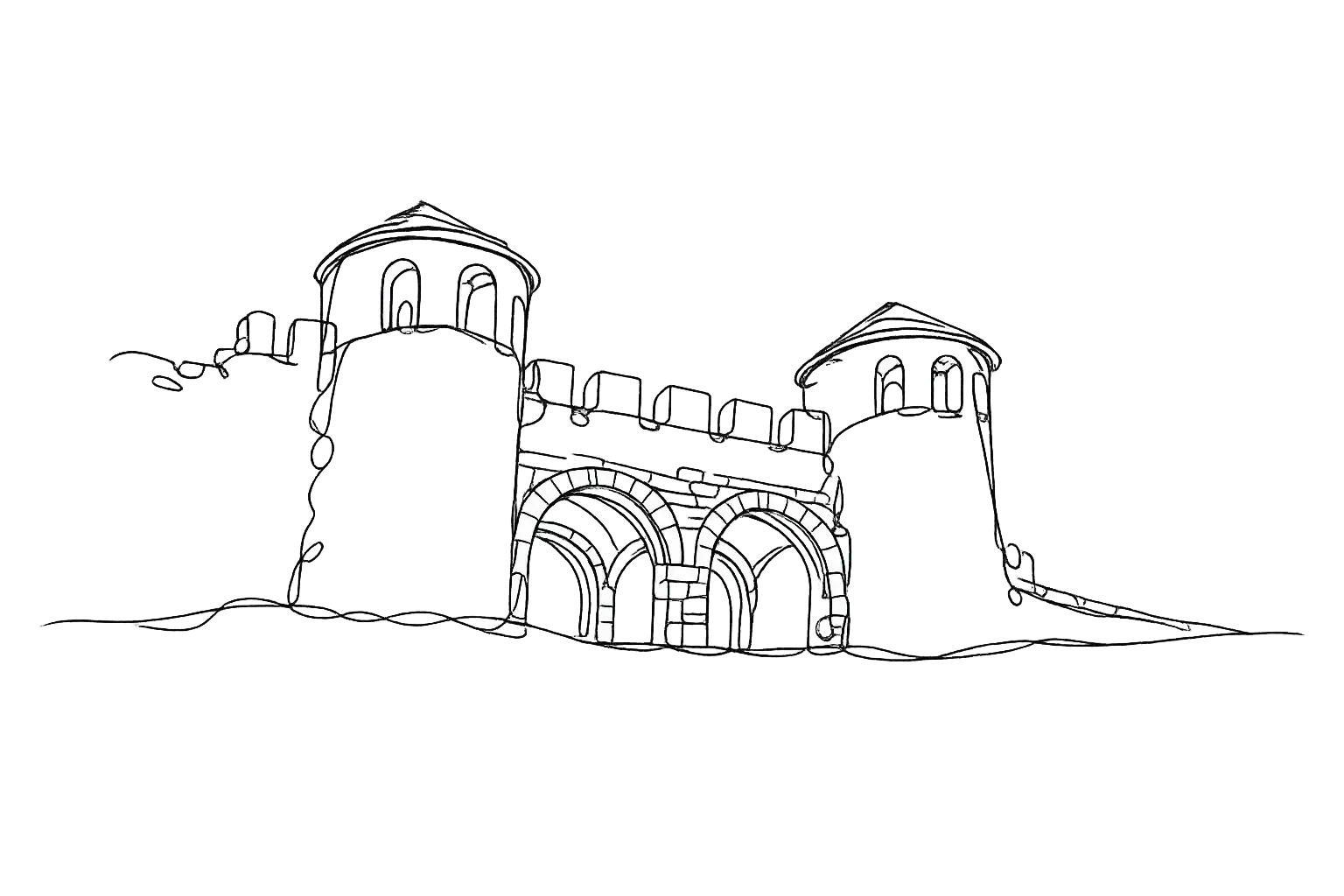
Archaeological Site

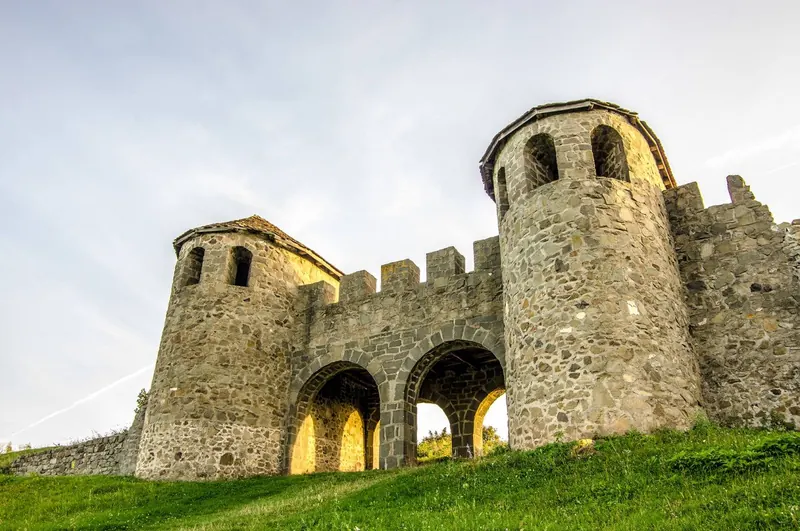
Porolissum

See on map

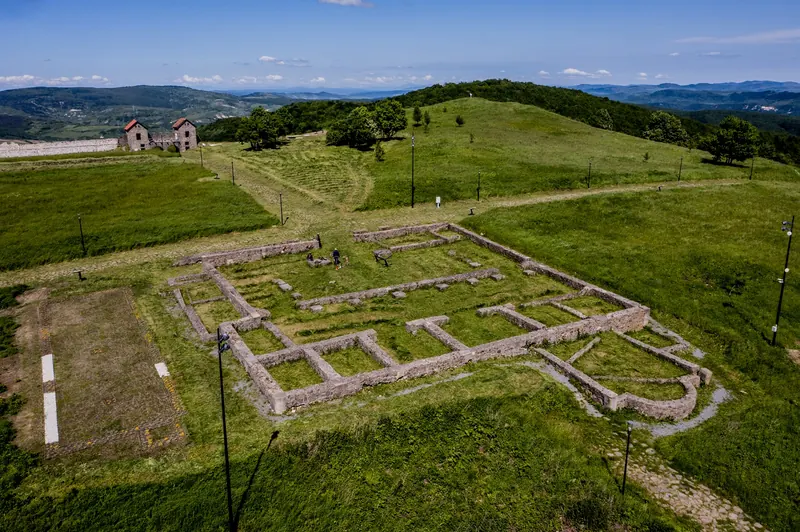
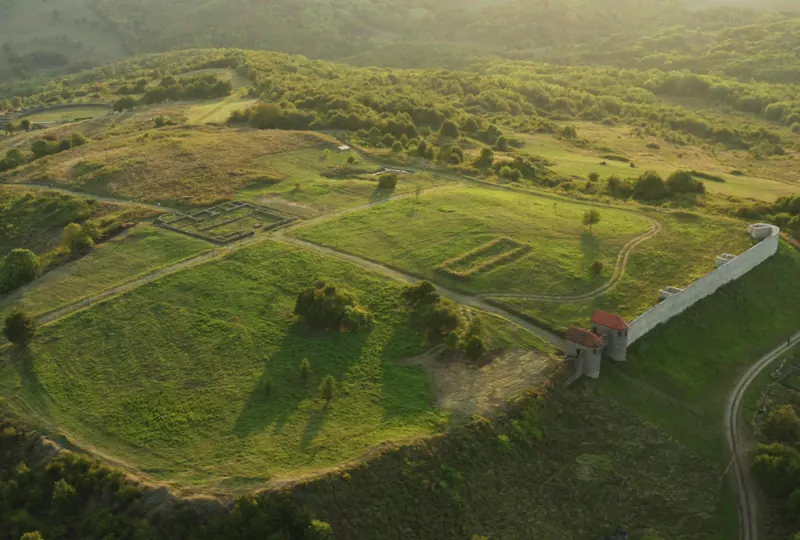
One of the largest and best-preserved Roman archaeological sites in Romania, and one of the most important frontier fortifications of the entire Roman Empire.

Founded in 106 AD by Emperor Trajan during the Second Dacian War, Porolissum served as a defensive fortress protecting the main Carpathian mountain passage on the northern frontier of the empire. It became the capital of the province Dacia Porolissensis in 124 AD and later received municipium status under Septimius Severus.

The site hosted approximately 5,000 auxiliary troops from Spain, Gaul, and Britain. It was abandoned when the Romans withdrew from Dacia in 271 AD under Aurelian, though archaeological evidence shows continued occupation for centuries afterward.

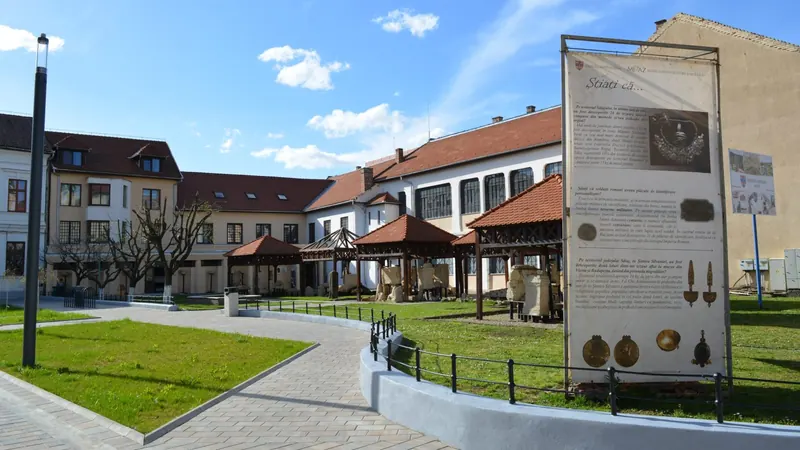
Artifacts from the site are housed in the Zalau County Museum of History and Art, which features reconstructed Roman walls, houses, and temple facades from the excavations.

Key Features

  • Porta Praetoria (reconstructed main gate)
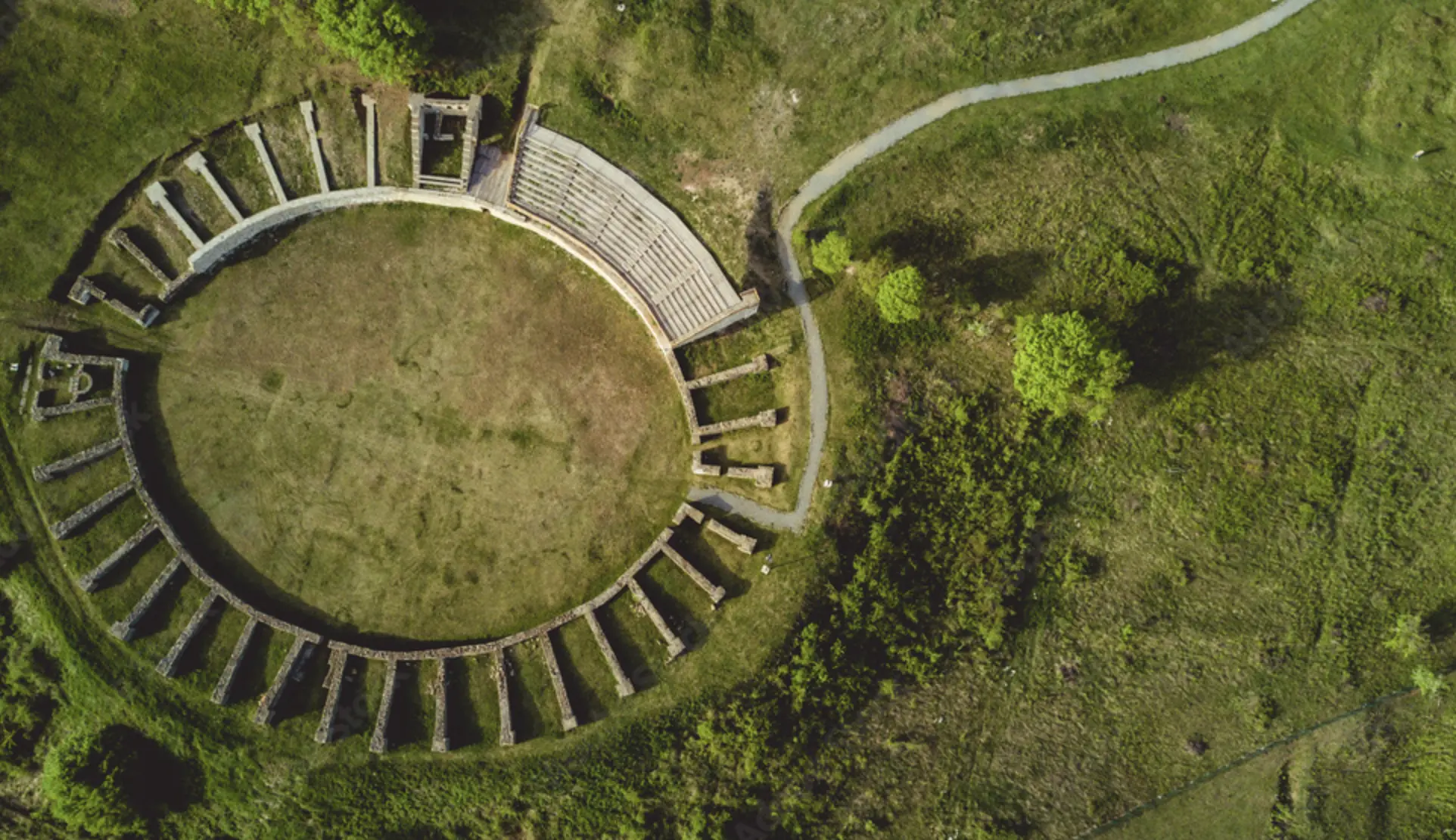
  • Amphitheatre
  • Public baths
  • Temples to Liber Pater, Jupiter Dolichenus, and Nemesis
  • Forum (ongoing excavation)
  • Pre-Roman Dacian fortress on adjacent hilltop

Key Facts

  • Founded 106 AD by Emperor Trajan
  • Capital of Dacia Porolissensis (124 AD)
  • 8 km northwest of Zalau
  • Active archaeological park
Museum

Zalau County Museum of History and Art

See on map

Founded in 1951, the museum houses over 225,000 cultural assets spanning 25,000 years of human habitation in Salaj County — from Paleolithic cave dwellings to the modern era.

The museum is the primary repository for artifacts excavated at Porolissum. Its Roman period galleries feature reconstructed defensive walls (Limes), a Roman house complete with hypocaustum heating, running water, and baths, and temple facades with monuments dedicated to Jupiter Dolichenus and other deities.

Highlights include the "Venus" of Zauan — a Neolithic figurine from 5500-5300 BCE — a Bronze Age casting workshop reconstruction, Dacian metalworking displays, and an upper floor featuring a recreated early 20th-century Zalau market scene.

Sections

  • "Vasile Lucacel" History Section
  • "Ioan Sima" Art Gallery
  • Lapidarium (stone monuments courtyard)
  • Cultural Cellar (temporary exhibitions)

Key Facts

  • Founded in 1951
  • Over 225,000 cultural assets
  • 25,000 years of history covered
  • Primary repository for Porolissum artifacts
Natural Reserve

Garden of Dragons

See on map

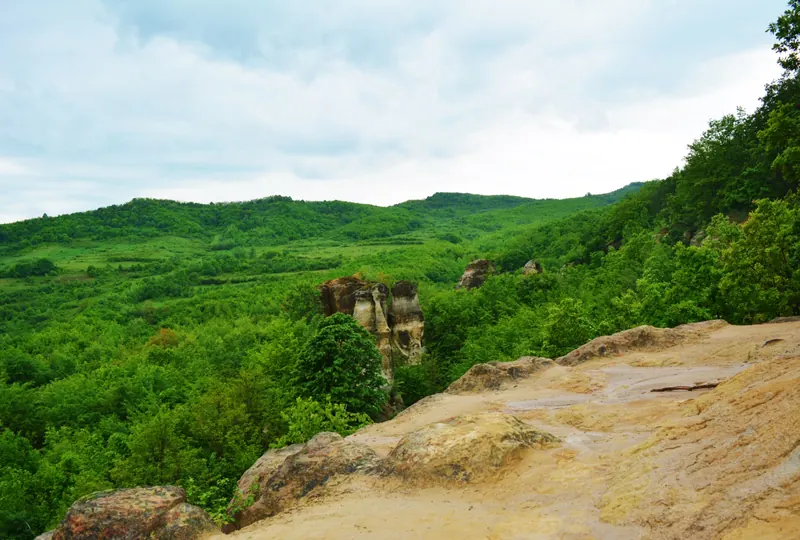
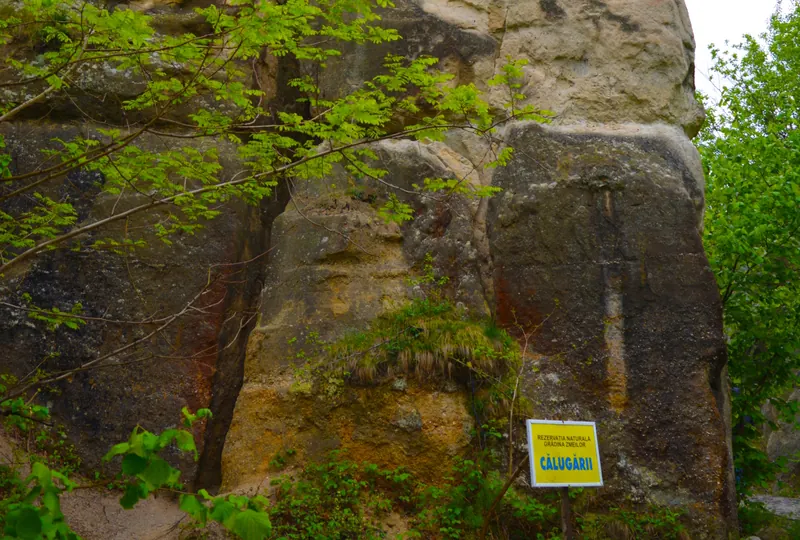
A protected natural area featuring extraordinary sandstone rock formations shaped over millennia by freeze-thaw cycles, water erosion, and gravity — resembling towers, mushrooms, needles, and mythical creatures.

Designated as a protected area since 1975 (Category IV IUCN reserve), the 3-hectare site is home to formations named after figures from Romanian folklore: Zmeul si Zmeoaica (The Dragon and the She-Dragon), Acul Cleopatrei (Cleopatra's Needle), Sfinxul (The Sphinx), Calugarii (The Monks), and many more.

The area is surrounded by beech, oak, and linden forests, and harbors rare Mediterranean and endemic plant species alongside fauna including wild boar, woodpeckers, and salamanders.

Named Formations

  • Zmeul si Zmeoaica (Dragon & She-Dragon)
  • Acul Cleopatrei (Cleopatra's Needle)
  • Sfinxul (The Sphinx)
  • Calugarii (The Monks)
  • Fata Catanii, Mosu, Capitanul
  • Eva, Dorobantul, Degetelul

Key Facts

  • 3-hectare protected natural reserve
  • Protected since 1975 (IUCN Category IV)
  • 33 km from Zalau
  • Rare Mediterranean & endemic plant species
Botanical Garden

"Vasile Fati" Botanical Garden, Jibou

See on map

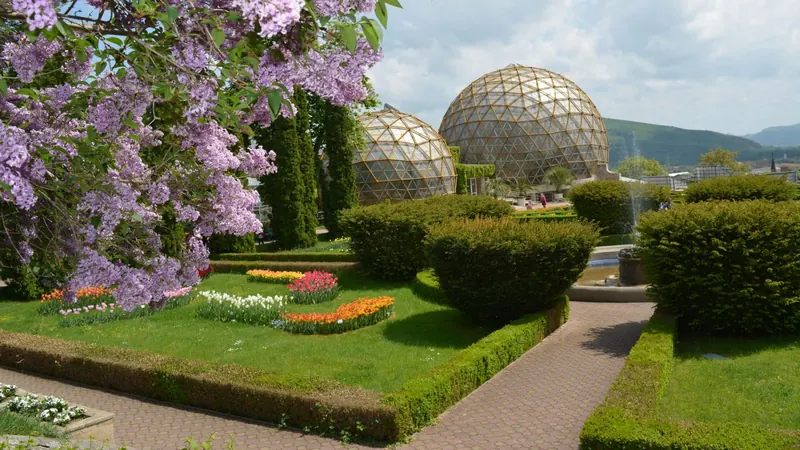
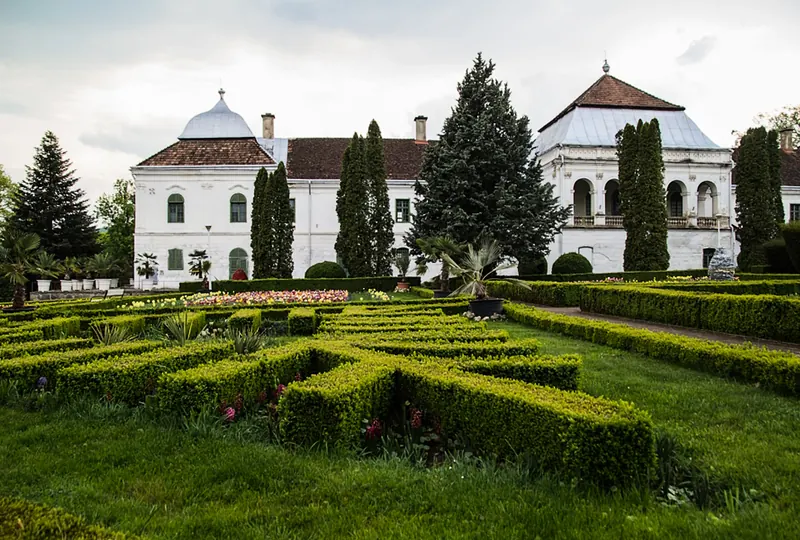
One of Romania's most important botanical gardens, spanning 25 acres on the grounds surrounding the historic Wesselenyi Castle in Jibou.

Founded by Professor Vasile Fati between 1959-1968 as part of the local high school, the garden became an independent research institution in 1970. Today it is operated by the Jibou Institute of Biological Research and serves as both a scientific facility and a public destination promoting love and respect for nature.

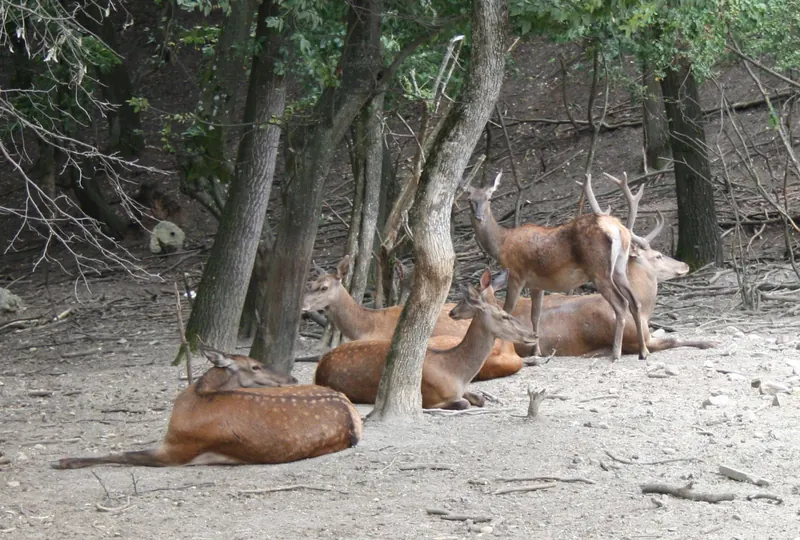
The garden features multiple themed sectors, collection greenhouses with tropical and subtropical species, an aquarium complex, a zoo park with bird aviaries, a Japanese garden, and a rosarium.

Highlights

  • Collection greenhouses (tropical & subtropical)
  • Aquarium complex
  • Japanese garden
  • Rosarium (rose garden)
  • Zoo park & bird aviaries
  • Wesselenyi Castle grounds

Key Facts

  • 25 acres on Wesselenyi Castle grounds
  • Founded 1959-1968 by Prof. Vasile Fati
  • 22 km from Zalau
  • Research institution since 1970
Mountain Range

Meses Mountains

See on map

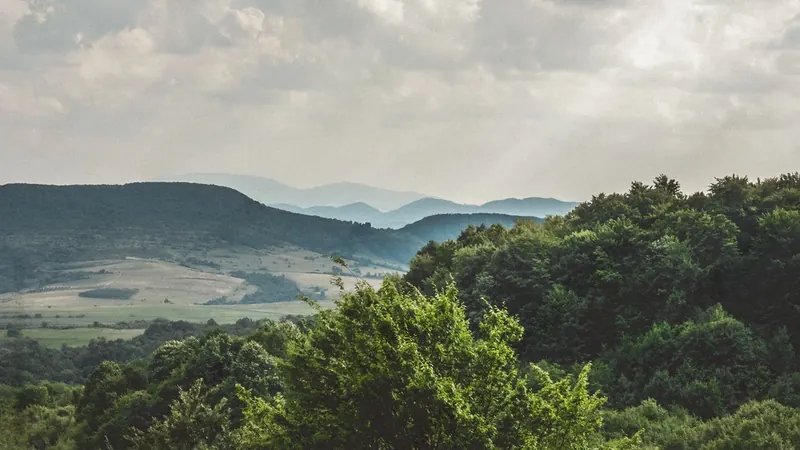
Part of the Apuseni Mountains system, the Meses range forms the natural southern boundary of Salaj County with peaks reaching up to 996 meters (Magura Priei).

Covered in mixed beech and oak forests, the mountains offer marked hiking trails with panoramic views over the Salaj hills and the broader Transylvanian landscape. The range is the most accessible mountain hiking destination near Zalau and provides a peaceful escape into nature.

Key Facts

  • Highest peak: Magura Priei (996 m)
  • Part of the Apuseni Mountains
  • Mixed beech and oak forests
  • Marked hiking trails
  • Accessible directly from Zalau
Cultural Heritage

Wooden Churches of Salaj

See on map

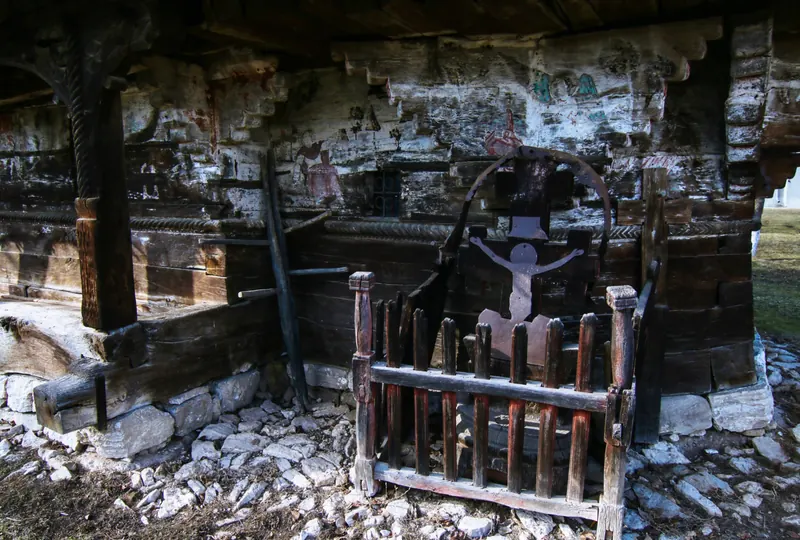
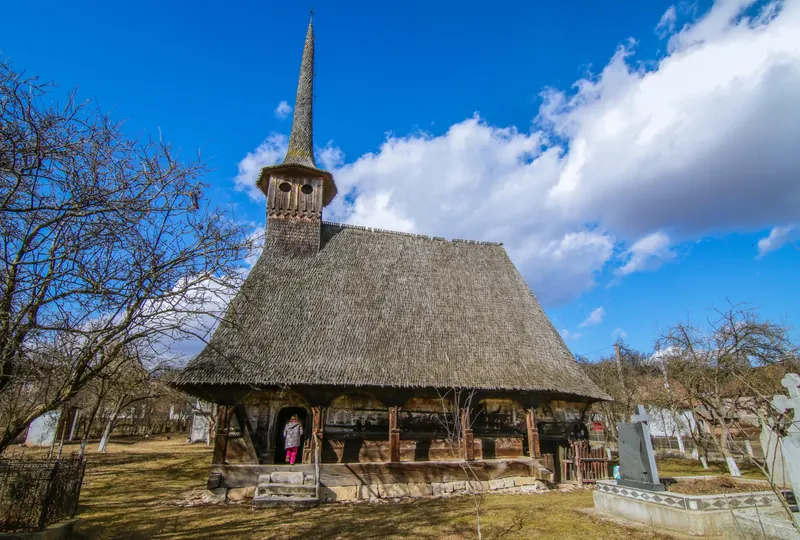
Salaj County preserves 92 wooden churches — the densest concentration of any county in Romania — with 68 recognized as official historical monuments.

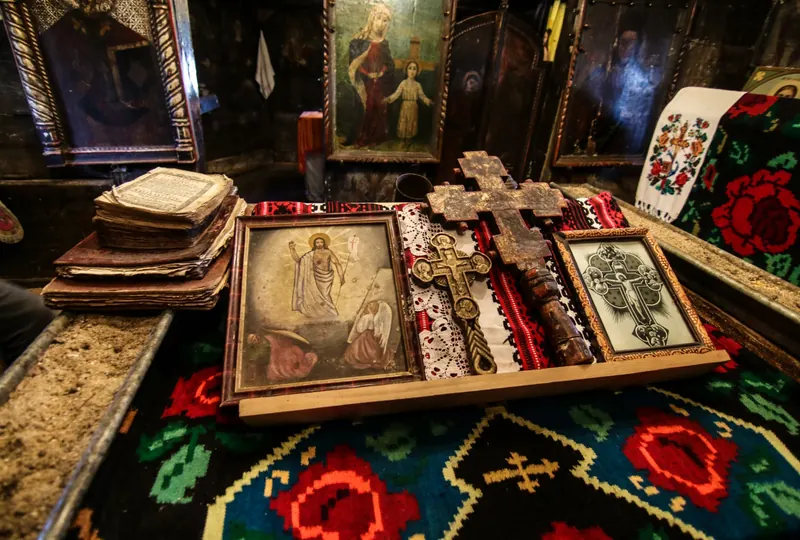
These remarkable structures, some dating to the 16th century, represent a unique architectural tradition of Transylvania. Built entirely from wood with intricate carvings and interior painted murals, they served as spiritual centers for Romanian Orthodox communities across the region's villages.

Among the oldest are the churches in Bulgari (1547) and Racas (1558). The church in Fildu de Sus (1727) is renowned for its well-preserved interior paintings, while the one in Cizer (1773) was signed by master craftsman Horea, leader of the famous 1784 peasant uprising.

← Back to Tournament
Powered by simp.dev.co